
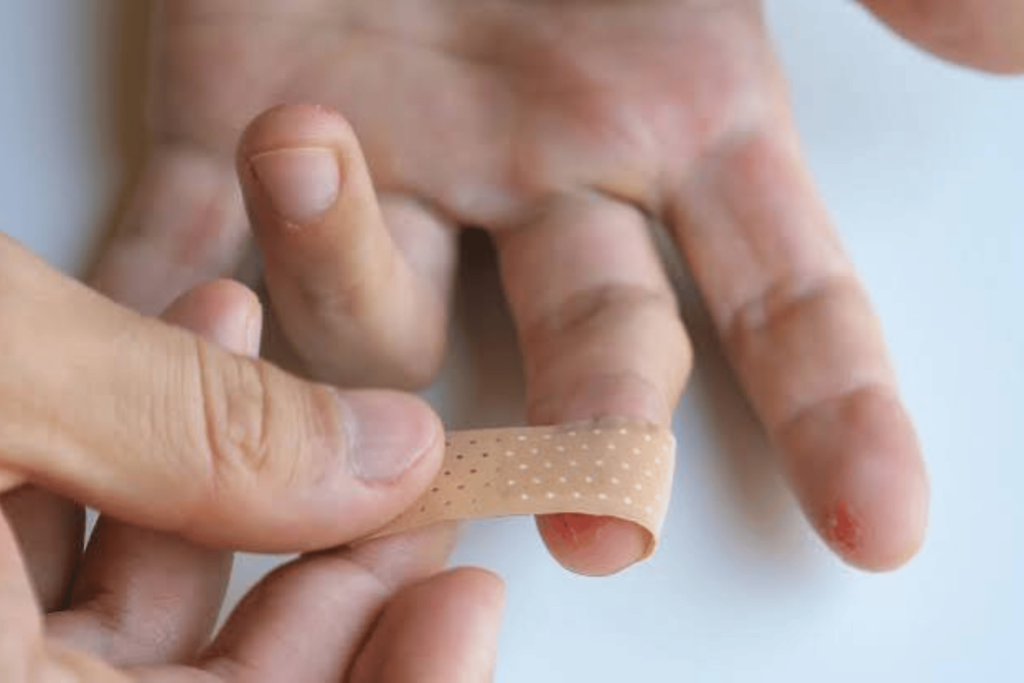
Have you ever cut your finger while cooking? Or scraped your knee after a fall? Most of us have. When that happens, we usually grab a plaster (bandage) and stick it on. But have you ever wondered if you’re doing it right? Or why some plasters help wounds heal faster than others? Do you know why some wounds take longer to heal, or why moist plasters are better than dry ones?
Let’s explore everything about wounds and plasters in a way that’s simple, clear, and easy to understand. We’ll break down the types of wounds, how your body heals, and most importantly — how modern plasters (bandages) help wounds heal faster, cleaner, and with less pain.
A wound is any break in the skin, whether it’s from an injury, surgery, or a medical condition like diabetes. There are two main types of wounds:
Acute wounds: These are injuries like cuts, burns, or surgical incisions that heal within a few weeks with proper care.
Chronic wounds: These take longer to heal, often because of poor circulation or infection — for example, diabetic foot ulcers or pressure sores.
Wounds can also be:
Open wounds (bleeding or exposed skin)
Closed wounds (like bruises, where skin is unbroken)
Wound healing happens in 4 stages:
Hemostasis: Blood clots form to stop bleeding.
Inflammation: The area becomes red and swollen — your immune system is fighting germs.
Proliferation: New skin and blood vessels begin to grow.
Remodelling: Skin strengthens and scar tissue forms.
A clean, protected environment helps each stage move faster.
Many of us were taught to let wounds “breathe” and dry up. But science now says moist wound healing is far better.
When a wound stays slightly moist:
Skin cells grow faster and move more easily
Pain is reduced
Scabs are avoided (scabs slow healing)
Less chance of long-term scarring
“Moist environments enhance tissue repair and reduce infection risk.”
A plaster, also known as a wound dressing or bandage, is something we use to cover a wound and protect it from germs, dirt, and friction. Most plasters have:
An absorbent pad: covers the wound and collects fluid
An adhesive layer: sticks to your skin
A backing layer: keeps out bacteria and water
Some plasters are designed to help heal faster, keep the wound moist, and even fight infections. This is part of what’s called modern wound dressing.
Here’s a closer look at the most common modern dressings, especially useful for at-home care:
1. Hydrocolloid Plasters
These dressings form a gel when they touch wound fluid. They:
- Keep wounds moist and warm
- Stay in place for days
- Reduce scarring
- Don’t stick to the wound
Best for: small cuts, blisters, surgical wounds
2. Foam Dressings
Soft and cushiony, they:
- Absorb a lot of wound fluid
- Keep the area moist
- Offer protection from bumps
Best for: pressure sores, leg ulcers
3. Hydrogel Dressings
These are jelly-like and bring moisture into dry wounds. They:
- Help with pain
- Support new skin growth
- Need to be changed regularly
Best for: burns, dry or painful wounds
4. Alginate Dressings
Made from seaweed, they:
- Soak up fluid and turn into gel
- Control bleeding
- Maintain moisture
Best for: infected wounds or bleeding wounds
5. Antibacterial (Silver or Iodine) Dressings
These dressings fight bacteria and prevent infection.
Best for: infected wounds or high-risk wounds
6. Waterproof Plasters
Great for use while showering or swimming
Prevent water and bacteria from entering
Best for: Ideal for active people or kids
Correct use of a plaster helps your skin heal faster.
Step-by-step guide (VeryWellHealth):
Using a plaster seems simple, but doing it correctly makes a big difference.
Step-by-step:
1. Clean the wound
Use clean water and mild soap. Remove dirt gently. Do not use alcohol or hydrogen peroxide — they can harm healthy skin.
2. Dry the skin around the wound (not the wound itself)
Use a clean towel.
3. Choose the right plaster
Pick a size that fully covers the wound. If the wound is leaking fluid, use a more absorbent type.
4. Apply the plaster
Gently place the pad on the wound. Stick the sides onto clean skin. Don’t stretch the plaster.
5. Change the plaster
Change it when:
It’s dirty or wet
It starts to come off
There’s too much fluid
Every 1–3 days (depending on type)
Go to a clinic or hospital if:
The wound is deep, long, or won’t stop bleeding
There are signs of infection
You haven’t had a tetanus shot in 10 years
You have diabetes or poor blood flow
In the past, most people believed that wounds should be left to “dry out.” They would clean the wound, cover it with a dry gauze or cotton, and let a scab form. This was known as dry wound healing or traditional dressing.
However, today’s medical research shows that this method is slower, more painful, and can lead to more visible scars. Why? Because when a wound dries and forms a scab, it blocks new skin cells from growing smoothly. It also increases the risk of the dressing sticking to the wound, causing pain and damage when removed.
On the other hand, modern moist dressings like hydrocolloid or foam plasters are designed to keep the wound slightly moist. This creates the perfect environment for skin cells to grow, move, and repair the skin more quickly. It also reduces pain, prevents scabs from forming, and helps minimize scars.
Another difference is in how often the dressings need to be changed. Traditional dry gauze often needs to be changed daily, which can disturb the healing process and increase the risk of infection. But modern moist plasters can stay on for several days, protecting the wound without needing to be touched too often.
DO:
Keep the wound moist and covered
Use clean hands and tools
Let the wound heal naturally
DON’T:
Peel scabs or dried blood
Use harsh antiseptics unless advised
Leave wounds uncovered (they dry out and heal slower)
References:
- https://www.medicalnewstoday.com/articles/325260
- https://www.kavacare.id/4-jenis-dan-prosedur-modern-dressing/
- https://www.woundsource.com/blog/benefits-moist-wound-healing
- https://www.verywellhealth.com/how-to-dress-a-wound-1298558
- https://www.ncbi.nlm.nih.gov/books/NBK554456/
- https://www.woundcaresurgeons.org/blogs/know-about-different-types-of-wounds
- https://opendermatologyjournal.com/VOLUME/13/PAGE/27/FULLTEXT