
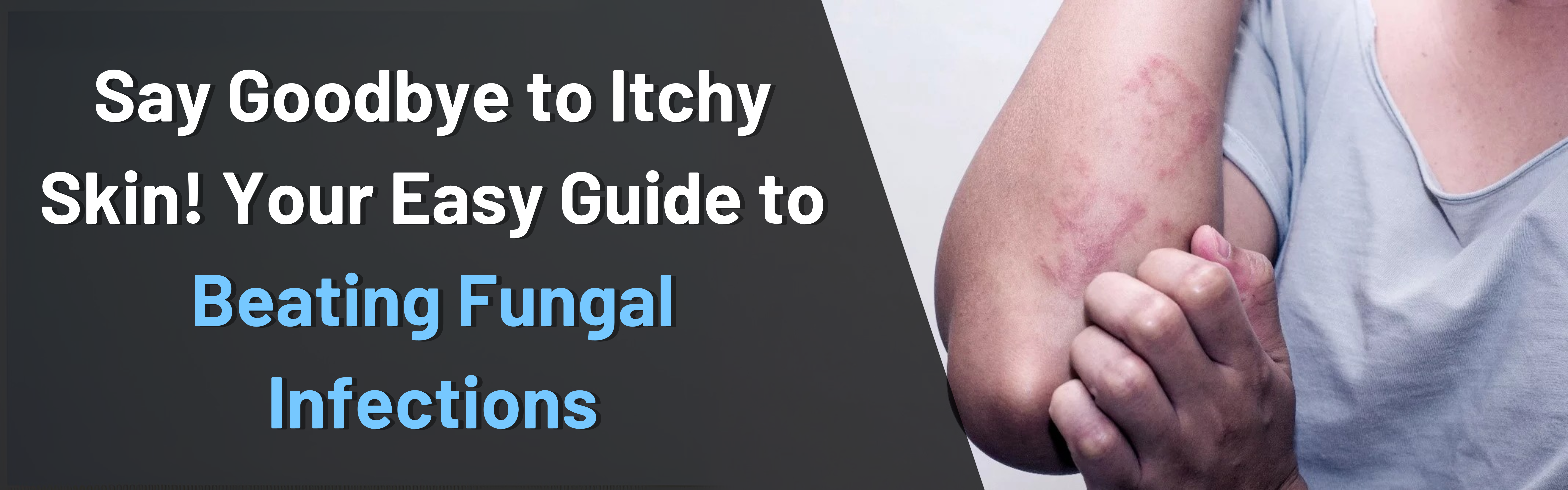
Have you ever had red, itchy skin or strange patches that wouldn’t go away? It might be a fungal infection. Don’t worry — this is more common than you think, especially in warm countries like Malaysia. The good news? It can be treated and prevented if you know what to do.
A fungal skin infection happens when harmful fungi grow too much on your skin. Fungi are small living organisms that love warm and moist areas, such as sweaty feet, armpits, groin, and skin folds. While fungi naturally live on your skin, they can become a problem when they multiply and invade deeper skin layers.
Some common fungal skin infections include:
Tinea Versicolor (Panau) – Causes patches of skin that are lighter or darker than the rest of your body.
Tinea Corporis (Kurap or Ringworm) – A red, round, and itchy rash that looks like a ring.
Tinea Pedis (Athlete’s Foot) – Causes dry, cracked, and itchy skin, especially between your toes.
Tinea Cruris (Jock Itch) – Affects the groin area, causing redness, itching, and rash.
Candidiasis – Caused by yeast and usually affects moist areas like the mouth, underarms, and private parts.
These infections are not usually life-threatening, but they can cause discomfort, affect your appearance, and sometimes lead to skin damage if not treated properly.
Fungi live everywhere — on our skin, in the soil, and even in the air. But when conditions are right, like heat, sweat, or poor hygiene, fungi grow too much and cause problems. Fungal infections are caused by fungi like dermatophytes or yeast. These organisms grow quickly in warm and moist environments. Here are some common causes:
Wearing tight or sweaty clothes: This creates the perfect warm, damp environment for fungi.
Not drying your skin properly after a shower: Wet skin allows fungi to grow faster.
Walking barefoot in public places: Fungi live on wet floors of gyms, swimming pools, and locker rooms.
Sharing personal items: Towels, socks, shoes, combs, or razors can pass fungi from person to person.
Low immunity: People with diabetes, cancer, or weak immune systems are more likely to get fungal infections.
Living in hot and humid climates: Places like Malaysia make it easier for fungi to grow.
It can be hard to know if your skin problem is from a fungus. Fungal infections show different signs depending on the type. Here are some common symptoms:
Red or white patches
Itchy, burning, or stinging sensation
Cracked, flaky, or peeling skin
Rashes that look like rings with clear centers
Blisters or pus-filled bumps
Thickened, discolored toenails or fingernails (if it affects nails)
If you scratch too much, your skin may become raw, painful, or infected by bacteria. That’s why early treatment is important.
This happens when a yeast on your skin grows too much. It creates patches that are lighter or darker than your normal skin. These patches may not itch but can spread if not treated.
Symptoms: Patches that don’t tan, mild itching Treatment: Antifungal creams or solutions like clotrimazole. Apply daily for 2–4 weeks. Tips: Avoid oily lotions, wear breathable clothes, and shower after sweating.
Despite the name, ringworm is not a worm. It’s a fungus that causes round, itchy, red rashes with clear centers. It can appear on arms, legs, neck, or body.
Symptoms: Ring-shaped rash, scaly edges, itching Treatment: Antifungal creams like miconazole, ketoconazole, or terbinafine. Use for at least 2–4 weeks. Tips: Avoid scratching, don’t share clothing or towels, and wash infected clothes separately.
This infection usually starts between your toes. It can be itchy and painful. If not treated, it can spread to your toenails.
- Common Places: Feet, especially between toes
- Treatment: Antifungal spray, cream, or powder
- Prevention: Wear breathable shoes, change socks daily, dry feet well after washing
Jock itch affects the groin area and inner thighs. It’s more common in men and athletes.
Symptoms: Red, itchy rash with scaly edges Treatment: Antifungal creams for 2–4 weeks Tips: Wear loose underwear, dry groin area properly, and avoid tight clothing
Anyone can get a fungal infection. But it is more common in:
People who sweat a lot
People with diabetes or weak immunity
People who wear the same clothes or socks for many hours
Children who play closely in groups
People with pets (some fungi come from animals)
Most fungal infections can be treated with creams, lotions, or sprays. These are available at pharmacies without a prescription.
Steps to use medicine properly:
Wash and dry the area completely
Apply a thin layer of cream or spray
Cover about 1 inch of skin around the infected spot
Use twice daily or as written on the label
Continue treatment for at least one week after the rash disappears
Important: If the infection doesn’t go away after 2–4 weeks, see a doctor. You might need a stronger medicine or tablets.
Do not stop using the medicine too soon
Avoid using steroid creams without doctor advice — they can worsen fungal infections
Don’t scratch, as it may cause bacterial infections
Avoid tight or synthetic clothing that traps sweat
You don’t need to live in fear of fungal infections. Here are easy ways to keep your skin healthy:
Shower daily, especially after exercise
Dry skin completely before dressing
Wear loose, breathable clothes
Avoid sharing towels, shoes, socks, or hairbrushes
Change your clothes and socks every day
Use anti-fungal powder if you sweat a lot
Wash gym clothes and undergarments in hot water
Go to a doctor or clinic if:
Your infection gets worse
The rash is painful or has pus
Medicine from the pharmacy doesn’t work
You get infections often
You have other health problems like diabetes or weak immune system
Remember: Fungal skin infections are very common, especially in warm and humid places like Malaysia. They are not dangerous but can cause discomfort, embarrassment, or even serious problems if ignored.
With the right treatment, proper hygiene, and smart prevention habits, you can treat fungal infections and keep them from coming back. And remember — you’re not alone. Many people face this, and it’s okay to talk about it.
If in doubt, always ask a healthcare provider for advice.
References:
MIMS Malaysia: https://www.mims.com/malaysia/disease/pityriasis-tinea-versicolor
Pantai Hospital: https://www.pantai.com.my/health-pulse/athletes-foot
Mayo Clinic: https://www.mayoclinic.org/diseases-conditions/athletes-foot/symptoms-causes/syc-20353841
Verywell Health: https://www.verywellhealth.com/tinea-versicolor-8576648
Medscape: https://emedicine.medscape.com/article/1091575-treatment
Leung, A. K., Barankin, B., Lam, J. M., Leong, K. F., & Hon, K. L. (2023). Tinea pedis: an updated review. Drugs in Context, 12, 2023–2025. https://doi.org/10.7573/dic.2023-5-1
Ng, L. C., Lee, C. S., Lim, B. B., Mohd Tap, R., Tan, X. T., & Tang, M. M. (2023). Fungus isolated from dermatomycoses: a 9-month prospective study at Hospital Melaka. Med J Malaysia, 78(3), 364–365.
Leung, A. K. C., MBBS, FRCPC, FRCP (UK and Irel), FRCPCH, FAAP, Lam, J. M., MD, FRCPC, Leong, K. F., MBBS, MRCPCH, & Hon, K. L., MD, FAAP, FCCM. (2020). Tinea corporis: an updated review [Journal-article]. Drugs in Context, 9, 2020–2025. https://doi.org/10.7573/dic.2020-5-6