
Understand Why It Happens and How to Care for Your Skin the Right Way
Have you ever looked in the mirror and wondered why your skin breaks out—even when you try your best to keep it clean? You’re not alone. Acne is one of the most common skin problems in the world. And although it’s common, that doesn’t make it easy to deal with—especially when it affects your confidence.
This guide will help you understand acne in the simplest way possible. You’ll learn what causes it, what makes it worse, how to treat it gently, and what ingredients in acne cleansing bars actually help.
Acne is a skin condition that happens when tiny openings on your skin—called pores—get blocked. Normally, pores allow oil (also called sebum) to come out and keep your skin healthy and soft. But sometimes, your body makes too much oil. When this extra oil mixes with dead skin cells and bacteria, it can clog the pores and create breakouts.
Depending on the type of blockage, the pimples may look different:
If the pore is closed, you might see a small bump called a whitehead.
If the pore is open and air gets in, the top turns dark, and that’s called a blackhead.
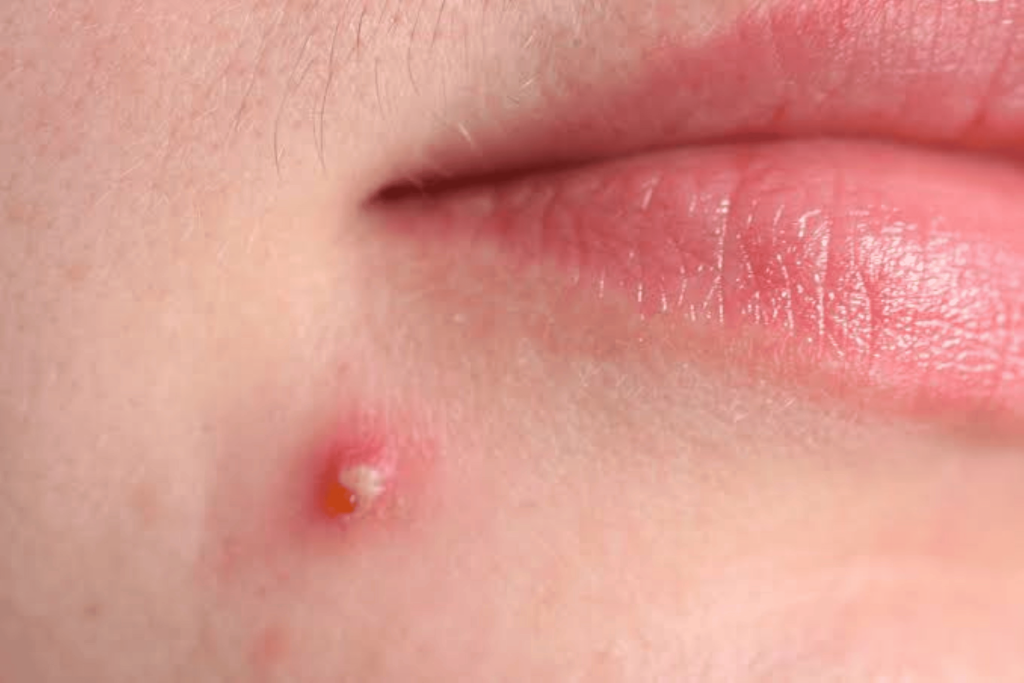
When the blockage becomes inflamed or infected, it turns into a red, swollen pimple. Sometimes, pus forms inside, and that becomes a pustule.
If the inflammation goes deeper into the skin, it may become a nodule or cyst, which can be painful and take a long time to heal.
Acne mostly appears on the face, but it can also affect the back, chest, neck, and shoulders—areas where your skin produces more oil.
Acne can happen to anyone, but there are several main causes:
1. Hormones
During puberty, the body produces more hormones called androgens. These hormones signal the oil glands to make more sebum. That’s why teenagers are especially prone to acne. In adults—especially women—hormonal changes related to menstruation, pregnancy, or medical conditions like polycystic ovarian syndrome (PCOS) can also cause breakouts.
2. Excess Oil (Sebum)
When oil glands produce too much sebum, the skin becomes oily and more likely to clog. The oil traps bacteria and dead skin cells inside the pore, causing swelling and redness.
3. Dead Skin Cells
Normally, your skin renews itself and sheds old cells every day. But when these dead cells don’t fall off properly, they can collect on your skin and block pores.
4. Bacteria (C. acnes or Cutibacterium acnes)
This is a type of bacteria that lives naturally on your skin. It becomes a problem only when it gets trapped in a blocked pore. The bacteria multiply and cause the surrounding area to become inflamed.
5. Other Factors
Stress, sweating, tight clothing, hair or face products, poor hygiene, and a high-sugar diet can also make acne worse for some people. Not everyone reacts the same, but some people notice their acne gets worse when they eat dairy, chocolate, or processed foods.
Even when you’re trying to take care of your skin, there are things you might do that accidentally make acne worse.
For example, picking or squeezing pimples may feel satisfying at the moment, but it actually pushes the bacteria deeper into your skin. This can cause even more swelling and lead to permanent scars.
Another common mistake is scrubbing the face too hard. You might think rough washing will “clean” the acne away, but it actually irritates your skin more. The skin responds to this irritation by making even more oil, leading to more breakouts.
Also, be careful about using too many acne products at once. When your skin becomes dry and irritated, it’s easier for acne to flare up. Stick to one or two products and give them time to work—at least 4 to 8 weeks.
Don’t forget to always remove makeup before sleeping. Leaving makeup on overnight blocks your pores and doesn’t let your skin breathe. And of course, try not to touch your face too often. Your hands carry bacteria and oils from everything you touch.
You don’t need a 10-step skincare routine. What your skin really needs is gentle, consistent care every day.
Start by washing your face twice a day—once in the morning and once before bed. Use a mild cleanser that’s made for sensitive or acne-prone skin. Look for cleansers that contain helpful ingredients like salicylic acid (to unclog pores) or sulfur (to reduce oil). These ingredients are often found in acne cleansing bars as well.
If your skin feels dry after washing, apply a light moisturizer that’s labeled “non-comedogenic,” which means it won’t block your pores. Many people skip this step, but even oily skin needs hydration. Without it, your skin might overproduce oil to compensate.
When trying acne treatment products like benzoyl peroxide or retinoids, use only a small amount. Start slowly—like every other day—to see how your skin reacts. Don’t panic if your acne gets a little worse in the first week. That’s called “purging,” and it’s normal for some treatments.
Also, protect your skin from the sun. Some acne treatments make your skin more sensitive to UV rays, so wear sunscreen every day, even if it’s cloudy.
An acne cleansing bar is a solid soap designed specifically for people with acne-prone skin. Unlike regular body soap, these bars contain active ingredients that fight acne while being gentler on the skin.
Some of the ingredients you might find in an acne bar include:
Salicylic acid, which helps clear away dead skin and opens clogged pores.
Sulfur, which helps dry out acne and absorb oil.
Charcoal or clay, which pull out impurities from the skin.
Tea tree oil, a natural ingredient with antibacterial properties.
These bars are especially helpful for body acne—on your back, chest, or shoulders—because they’re easy to use in the shower. Just make sure to rinse thoroughly and moisturize afterward so your skin doesn’t become too dry.
Don’t use the bar too often or scrub your skin harshly with it. Twice a day is enough. Using it too much can damage your skin barrier and cause more breakouts later.
Some home remedies can support acne treatment, but they are not magic cures.
For example, aloe vera gel can soothe red, inflamed skin. Honey, especially raw or Manuka honey, has natural antibacterial properties. Green tea, when applied to the skin or consumed as a drink, may help reduce oil production.
However, be cautious with remedies like apple cider vinegar. While diluted vinegar may help kill bacteria, it’s highly acidic and can burn your skin if not used carefully. Always patch test first.
Avoid popular myths like using toothpaste, lemon juice, or baking soda. These may irritate or damage your skin and aren’t recommended by doctors.
If you’ve tried over-the-counter products for more than 8–12 weeks with no improvement, or if your acne is painful, deep, or leaving scars—it’s time to talk to a dermatologist.
A skin doctor can prescribe:
Stronger creams or gels, like retinoids or antibiotics
Oral medications, including hormonal treatments for women
Professional procedures, like chemical peels, laser treatments, or cortisone injections for cysts
Don’t wait too long. Early treatment can help prevent scars and give you better results faster.
References:
DermNet NZ – Acne Treatment: https://dermnetnz.org/topics/acne-treatment
American Academy of Dermatology – Habits to Stop: https://www.aad.org/public/diseases/acne/skin-care/habits-stop
Cleveland Clinic – Home Remedies for Acne: https://health.clevelandclinic.org/home-remedies-for-acne
DermNet NZ – Acne Vulgaris: https://dermnetnz.org/topics/acne-vulgaris
Healthline – Acne Overview: https://www.healthline.com/health/skin/acne#takeaway
Mayo Clinic – Acne Causes & Symptoms: https://www.mayoclinic.org/diseases-conditions/acne/symptoms-causes/syc-20368047