
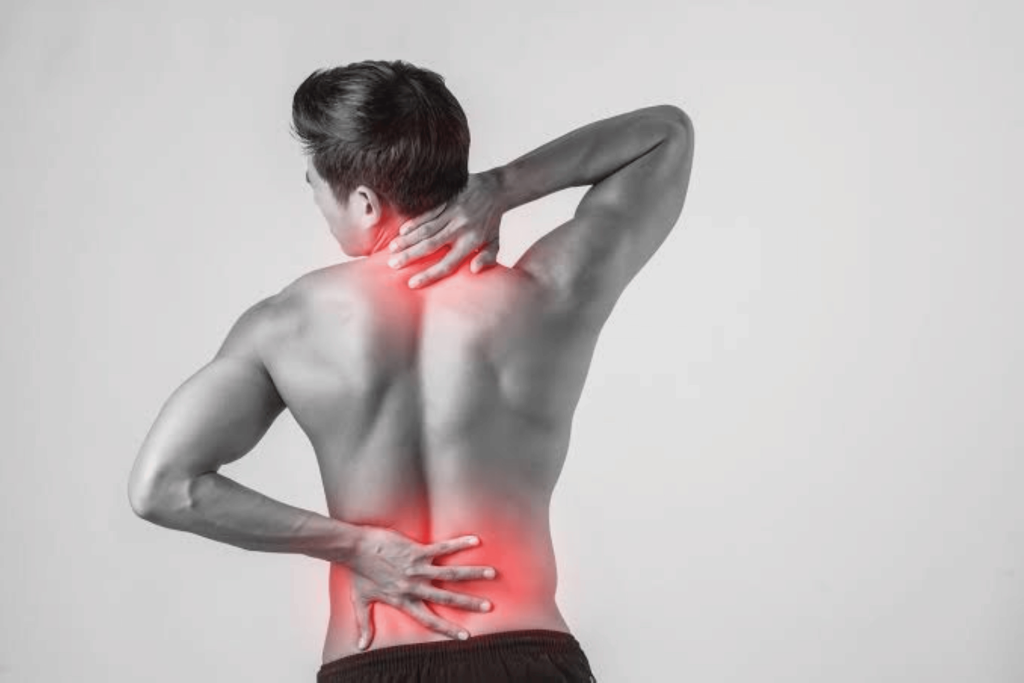

Muscle and joint pain is something we all go through at some point in life. It can be as minor as sore legs after a hike, or more serious like pain that affects your ability to move or sleep. While some pain goes away quickly, others may stick around or even get worse if not treated properly.
This guide is here to help you understand why muscle and joint pain happens, how to take care of it, and when to get help.
Muscle pain (myalgia) is the soreness or aching you feel in your muscles—especially after movement or activity. Joint pain (arthralgia), on the other hand, affects the areas where two bones meet, like your knees or shoulders. Both types of pain can make daily tasks uncomfortable and are often signs that your body needs rest, care, or treatment.
These pains can range from:
Mild: You feel it, but it doesn’t stop you from doing things.
Moderate: It bothers you throughout the day and may limit movement.
Severe: The pain is strong and needs medical attention because it may be caused by injury or disease.
Muscle pain can happen for many reasons—exercise, tension, or even illness. It’s usually your body’s way of telling you that a muscle has been overworked, stretched, or affected by stress or dehydration. In most cases, the pain is not dangerous and can be managed with simple care.
1. Exercise or Overuse
If you work out harder than usual or use a muscle for a long time (like during manual labour), your muscles can become sore. This is normal. The soreness usually starts after a day or two. It happens because of tiny tears in the muscle fibres that need time to heal.
2. Muscle Strain or Injury
This happens when a muscle is stretched too far or torn. It often causes sudden pain, swelling, and limited movement. You might feel like you “pulled a muscle.”
3. Stress or Tension
When you’re stressed, your body tenses up. This can cause tightness and pain in your neck, shoulders, or back. You might not even notice how much tension you’re holding until your muscles start to ache.
4. Illness (like flu or COVID-19)
Viruses can cause widespread body aches. This type of muscle pain is usually dull and comes with tiredness, fever, or chills.
5. Dehydration or Lack of Minerals
Your muscles need enough water and minerals (like potassium, magnesium, and calcium) to work properly. If you’re low on these, you may get cramps or spasms, especially during exercise or hot weather.
Joint pain can be caused by wear and tear, injuries, or medical conditions like arthritis. It can show up as stiffness, swelling, or sharp pain, especially when you move the joint. Good posture, strong muscles, and balanced movement are key to keeping your joints pain-free.
1. Injury or Overuse
Falls, twists, or doing the same movement over and over (like typing or lifting) can strain the joint or the soft tissues around it, leading to pain.
2. Arthritis
This is when the joints become inflamed or worn down. The most common type is osteoarthritis, which happens as we age. Joints may feel stiff, swollen, and painful, especially in the morning or after sitting too long.
3. Muscle Weakness or Imbalance
When the muscles around a joint are too weak or too tight, it puts extra pressure on the joint. This can lead to pain during movement or even at rest.
4. Poor Posture
Slouching or sitting in the wrong position for too long puts extra stress on joints like your neck, back, hips, and knees.
Most everyday pain is harmless and goes away on its own. But sometimes, pain is your body’s way of warning you that something more serious is going on. Knowing when to seek help can prevent bigger problems later.
See a doctor if you notice:
Sudden, sharp, or worsening pain
Swelling, redness, or warmth around the area
Trouble moving the muscle or joint
Pain that lasts more than 2 weeks
Numbness, tingling, or weakness
Fever, chills, or feeling very unwell
These symptoms may be signs of a torn muscle, joint damage, nerve problem, or infection.
The good news is that many types of muscle and joint pain can be treated with simple home remedies. You don’t always need medicine or a hospital visit, just knowing what to do can help your body heal faster.
The RICE Method (for recent injuries)
RICE helps reduce swelling and pain, especially right after an injury:
Rest: Avoid putting weight on the sore area.
Ice: Use a cold pack for 15–20 minutes every few hours.
Compression: Wrap the area with an elastic bandage (not too tight).
Elevation: Raise the area above heart level to reduce swelling.
Other Home Remedies
Pain Medications: Over-the-counter meds like paracetamol (Panadol) or ibuprofen (Nurofen) help reduce pain and inflammation.
Massage: Gentle rubbing helps loosen tight muscles and improves blood flow.
Stretching: Slow and careful stretching can help ease stiffness.
Topical Creams: Creams with menthol, arnica, or capsaicin give a cooling or warming effect to relieve pain.
Gentle Movement: Don’t stay in bed all day! Light activity helps muscles heal faster and prevents stiffness.
Pain relief creams (also called topical analgesics) are creams, gels, or ointments that you apply directly to the skin over a sore muscle or joint. They work by targeting the surface nerves and muscles to give quick, temporary relief.
These creams often contain active ingredients like:
Menthol – gives a cooling effect and helps block pain signals.
Capsaicin – creates a warming feeling and helps calm nerve endings.
Arnica – a natural plant extract used to reduce swelling and bruising.
Methyl salicylate – related to aspirin, it helps reduce inflammation.
Topical creams don’t go deep into the tissue like oral medicine, but they’re great for easing mild to moderate pain especially from sprains, cramps, and soreness after exercise.
Tips for Safe Use:
- Don’t apply on broken or irritated skin.
- Wash your hands after use.
- Don’t mix with heat packs (it can burn the skin).
- Avoid touching your eyes after applying.
If your pain is deeper or more serious, creams may not be enough but they can be a useful part of your recovery routine.
If your pain keeps coming back or doesn’t improve with home care, you may need help from a professional:
Physiotherapist: Can guide you with exercises and stretches
Chiropractor: Can help improve alignment and movement
Doctor or Specialist: For scans, medication, or further treatment
The best way to avoid future pain is to take care of your body:
Warm up before exercise and cool down after
Drink enough water every day
Sit and stand with good posture
Strengthen your muscles to support your joints
Manage stress through breathing, stretching, or light activity
Get enough sleep—your body repairs itself at night
Sources
Harvard Health: https://www.health.harvard.edu/pain/the-pain-of-muscle-strains
Medical News Today: https://www.medicalnewstoday.com/articles/322869
NIH / Pain Medicine Journal: https://academic.oup.com/painmedicine/pages/muscle_pain
Chiropractic in Malaysia: https://www.chiropractic-in-malaysia.com/blog/muscle-pain-joint-pain-mobility
PMC Journal: https://www.ncbi.nlm.nih.gov/pmc/articles/PMC2696782/