
High blood pressure, or hypertension, is one of the most common health conditions worldwide—but here’s the catch: most people don’t even know they have it. Often referred to as the “silent killer,” hypertension can quietly damage your body for years before symptoms appear. By the time you notice something is wrong, it could already be putting your heart, brain, and kidneys at serious risk.
So, what’s really going on when your blood pressure rises? How do you keep it in check before it leads to life-threatening conditions? Let’s break it down.
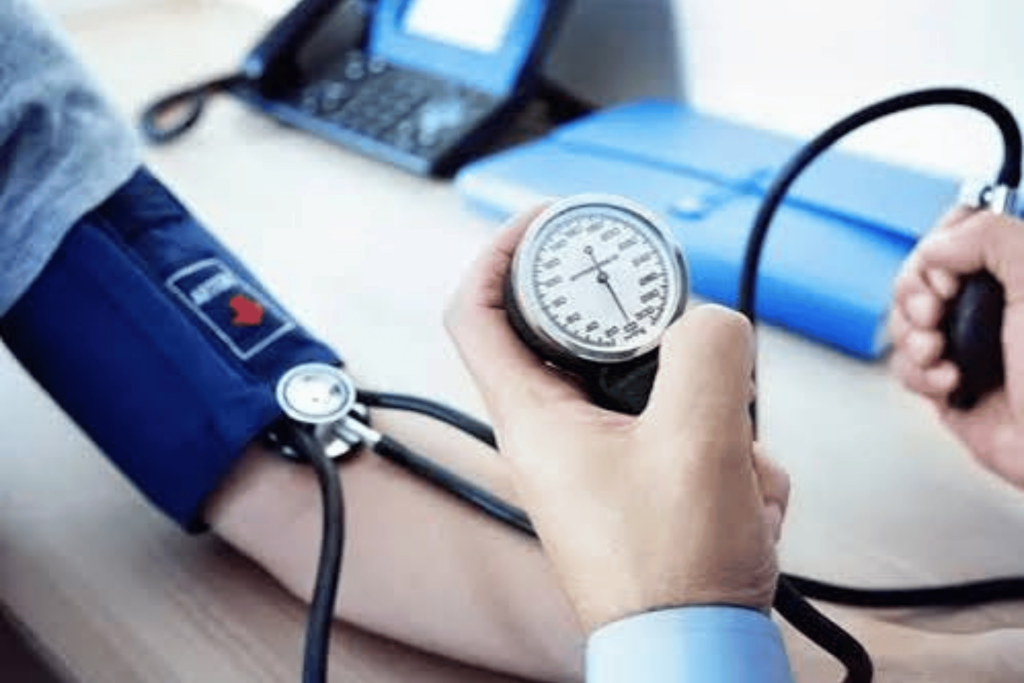
Blood pressure is the force of blood pushing against the walls of your arteries. When it’s too high for too long, it starts causing damage—often without any warning signs.
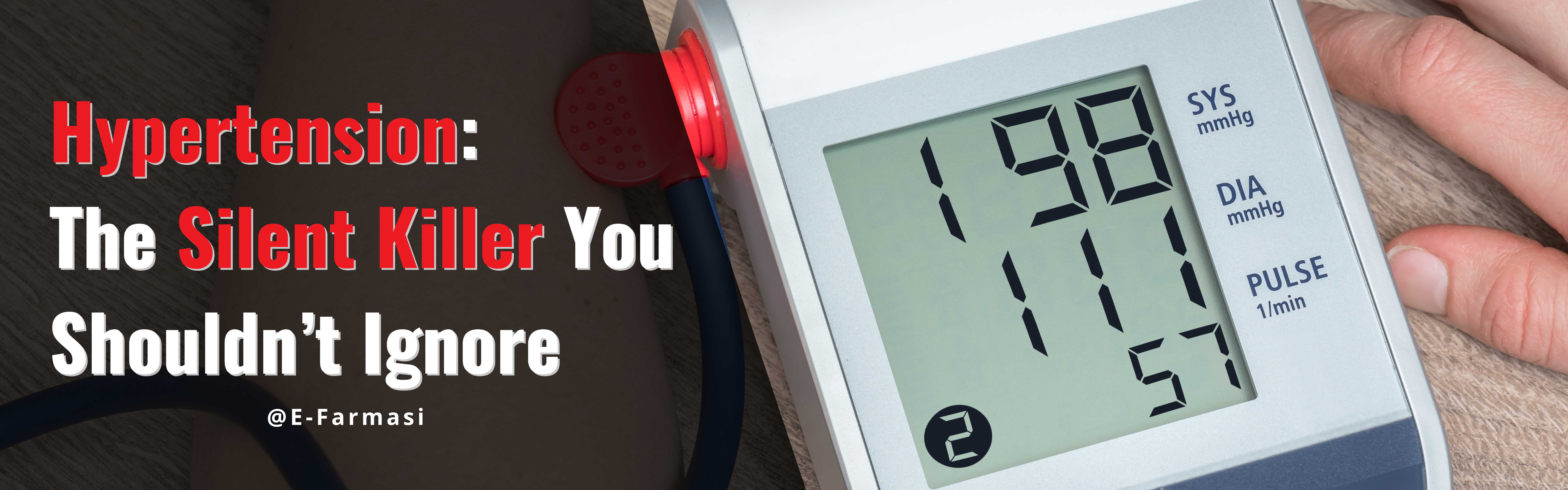
A normal blood pressure reading is below 120/80 mm Hg. Anything above 130/80 mm Hg is considered high blood pressure.
Blood Pressure Categories:
- Normal: Below 120/80 mm Hg – No worries here, keep up the good habits.
- Elevated: 120-129/<80 mm Hg – A warning sign that trouble could be ahead.
- Stage 1 Hypertension: 130-139/80-89 mm Hg – Time to take action with lifestyle changes and possibly medication.
- Stage 2 Hypertension: 140/90 mm Hg or higher – A serious risk that needs immediate management.
- Hypertensive Crisis: 180/120 mm Hg or higher – This is a medical emergency requiring urgent treatment.
The danger? Hypertension doesn’t usually cause symptoms. Many people only find out when it has already led to complications like a heart attack, stroke, or kidney disease.
Hypertension doesn’t happen overnight. It creeps up slowly, influenced by a mix of lifestyle choices, genetic factors, and underlying medical conditions.
1. Primary Hypertension (The Gradual Build-Up)
For most adults, high blood pressure develops over time with no obvious cause. However, certain factors increase the risk:
- Aging – As you get older, your arteries naturally stiffen, making it harder for blood to flow smoothly.
- Family history – If your parents or close relatives had high blood pressure, you’re more likely to develop it.
- Unhealthy habits – A diet high in salt, lack of exercise, excessive alcohol, and stress can all contribute.
2. Secondary Hypertension (Caused by an Underlying Condition)
Sometimes, high blood pressure is triggered by another health issue, such as:
- Kidney disease – When your kidneys struggle to filter waste, blood pressure can rise.
- Thyroid or adrenal disorders – Hormonal imbalances can disrupt blood pressure regulation.
- Obstructive sleep apnea – Poor sleep patterns cause spikes in blood pressure.
- Certain medications – Birth control pills, pain relievers, and some decongestants can raise blood pressure.
If your blood pressure shoots up suddenly or is difficult to control, doctors may check for an underlying medical cause.
Here’s the tricky part—most people with high blood pressure feel perfectly fine. That’s why regular monitoring is essential. However, in severe cases, symptoms might include:
- Persistent headaches
- Dizziness or blurred vision
- Shortness of breath
- Chest pain or irregular heartbeat
- Nosebleeds (in extreme cases)
- Fatigue or confusion
If you experience any of these symptoms, especially along with dangerously high blood pressure readings, seek medical help immediately.
Long-term high blood pressure wreaks havoc on your body, leading to severe complications that can shorten your life.
1. Heart Disease and Stroke
- Hypertension weakens arteries, increasing the risk of heart attacks and strokes.
- It forces the heart to work harder, leading to heart failure over time.
2. Brain Damage and Cognitive Decline
- High blood pressure reduces blood flow to the brain, increasing the risk of stroke and dementia.
3. Kidney Failure
- Hypertension damages the delicate arteries in the kidneys, leading to chronic kidney disease or failure.
4. Vision Loss
- High blood pressure can damage blood vessels in the eyes, causing permanent vision problems.
The good news? Hypertension is preventable and manageable. Small changes in your daily habits can make a huge difference in keeping your blood pressure in check.
1. Revamp Your Diet (Follow the DASH Diet)
The DASH (Dietary Approaches to Stop Hypertension) diet is one of the most effective ways to lower blood pressure naturally.
- Load up on fruits, vegetables, whole grains, and lean proteins.
- Cut down on salt and processed foods (aim for less than 1,500 mg of sodium per day).
- Limit red meat and sugary drinks.
- Choose potassium-rich foods like bananas, spinach, and beans to help balance sodium levels.
2. Get Moving
Regular physical activity strengthens the heart, making it more efficient at pumping blood. Aim for:
- 150 minutes of moderate exercise per week (walking, swimming, cycling).
- Strength training twice a week to improve circulation and lower blood pressure.
3. Maintain a Healthy Weight
Extra weight puts extra strain on your heart. Losing even 5-10% of your body weight can lead to a noticeable drop in blood pressure.
4. Cut Down on Alcohol, Caffeine, and Smoking
- Limit alcohol – Excessive drinking raises blood pressure.
- Quit smoking – Tobacco damages blood vessels and spikes blood pressure.
- Reduce caffeine – Some people are sensitive to caffeine’s effects on blood pressure.
5. Manage Stress and Sleep Well
- Try relaxation techniques like meditation, deep breathing, or yoga.
- Aim for 7-8 hours of quality sleep per night to keep stress hormones in check.
6. Medication (If Needed)
If lifestyle changes aren’t enough, doctors may prescribe:
- Diuretics to flush excess sodium from your body.
- Beta-blockers to reduce heart workload.
- ACE inhibitors to relax blood vessels.
- Calcium channel blockers to keep arteries open.
Always follow medical advice and never stop medication without consulting your doctor.
Take Charge of Your Health Today
Hypertension might be silent, but its consequences are loud and clear. The good news? You have the power to prevent and control it.
✔ Monitor your blood pressure regularly.
✔ Adopt heart-healthy habits.
✔ Seek medical guidance when needed.
High blood pressure doesn’t have to dictate your future. Take action today and protect your heart, brain, and body for years to come.
References: