
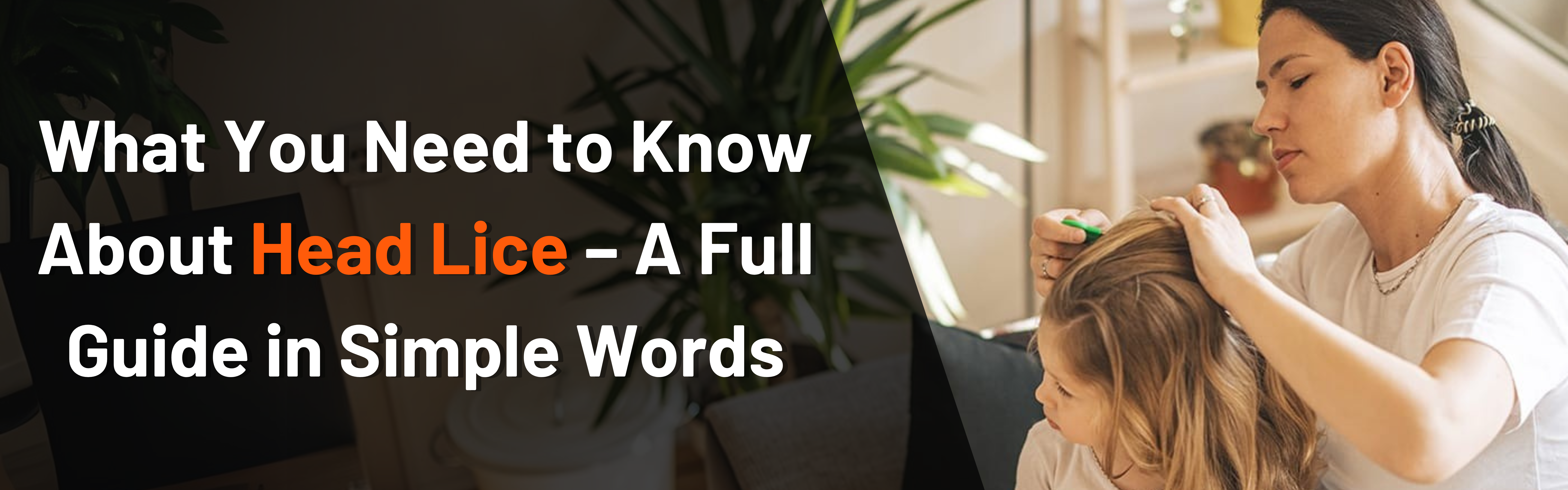
Head lice may be tiny, but they can cause big problems—especially for school kids and families. These insects are very common in warm places like Malaysia. The medical name for this condition is pediculosis capitis.
Let’s break it all down so it’s easy to understand.
Head lice are small insects that live in your hair and feed on blood from your scalp. They’re about the size of a sesame seed. They don’t fly or jump, but they can crawl very fast.
There are 3 forms of lice:
Eggs (nits) – tiny white/yellow dots stuck to the hair near the scalp.
Nymphs – baby lice that hatch from the eggs.
Adult lice – fully grown lice that can lay more eggs.
Lice love warm areas like behind the ears and the back of the neck. These insects survive by sucking blood several times a day and can live up to 30 days on a person’s head.
Head lice spread mostly through direct hair-to-hair contact. This happens a lot when children play, hug, or sit closely together.
You can also get lice by:
Sharing combs, hairbrushes, towels, or hats
Sleeping on the same pillow or bed
Borrowing scarves or hijabs from others
Important: Head lice have nothing to do with being dirty. Even someone with clean hair can get lice!
Not everyone will notice lice right away. But here are some common signs:
Very itchy scalp
Feeling something crawling in your hair
Red bumps from scratching too much
Trouble sleeping (lice are more active at night)
Seeing small bugs or white dots on your hair
In kids, scratching too much may lead to wounds or skin infections. While lice don’t spread diseases, the constant itching and irritation can cause skin infections and affect sleep and focus, especially in children. It can also lead to emotional distress and social stigma, particularly in school environments.
Lice grow fast! Here’s their life cycle:
A female louse can lay 6–10 eggs per day
Eggs hatch in 7–10 days
Baby lice grow into adults in another 7–10 days
Then they lay more eggs
That means in just 2–3 weeks, a small problem can turn into a big one if not treated quickly!
Children play closely, hug each other, and often don’t know they have lice. That makes schools one of the most common places where lice spread.
Studies in Malaysia have shown that lice are especially common in school children, especially girls, and in homes with more family members. Long hair and not checking regularly can make the risk higher.
You don’t need a lab to check for lice. You just need:
A fine-toothed lice comb
A towel or tissue
Wet, clean hair
How to do it:
After washing the hair, apply conditioner and comb from the scalp to the ends. Wipe the comb on tissue after each stroke. If you see bugs or white/yellow eggs, it’s lice.
There are a few easy steps to treat lice:
1. Use Anti-Lice Shampoo or Lotion
Many pharmacies sell shampoos or lotions that kill lice. These may contain ingredients like permethrin. Always follow the instructions. Repeat treatment after 7–10 days to kill any new lice that hatched.
2. Comb Out the Eggs
Even after shampooing, nits can stay in the hair. Comb wet hair every 2–3 days for 2 weeks using a special lice comb.
3. Clean Clothes and Bedding
Wash all pillowcases, towels, hats, and clothes in hot water. Soak combs and brushes in hot water for at least 10 minutes.
4. Ask a Doctor or Pharmacist
If the lice don’t go away, or if there’s a bad skin reaction, talk to a doctor or pharmacist. Some clinics offer lice removal services using heat, suction, or manual combing. Some people may need stronger medication. Always discuss with a healthcare provider first.
You can’t 100% avoid lice, but here are ways to reduce the risk:
Don’t share combs, towels, or hats
Tie long hair into braids or buns
Check children’s hair often, especially after school holidays and event or sleepovers
Teach children not to touch heads with others during play and inform schools if lice are detected to prevent further spread
See a doctor if:
Lice keep coming back after treatment
Your child’s scalp has red, painful sores
Over-the-counter products aren’t working
There’s a history of allergy or sensitive skin
Some lice can become resistant to regular shampoo. In these cases, doctors may prescribe something stronger. Also, avoid overusing lice medications—they can irritate the scalp and may lead to resistance.
Sources:
- https://dermnetnz.org/topics/head-lice
- https://e-mjm.org/2017/v72n1/pediculosis-capitis.pdf
- https://www.tagar.id/siklus-hidup-kutu-rambut-dan-cara-ampuh-membasminya
- Sukesi, T. W., Ikhsian, K., & Sulistyawati, S. (2024). Risk Factors Associated with Head Lice (Pediculosis Capitis) Infestation in Children Aged 6−15 years in Relocation Housing for Tsunami Victims. The Open Public Health Journal, 17. https://doi.org/10.2174/0118749445334408241003045837
- Valero, M. A., Haidamak, J., Santos, T. C. de O., Pruss, I. C., Bisson, A., Rosario, C. S., Fantozzi, M. C., Varela, M. M. S., & Klisiowicz, D. R. (2024). Pediculosis capitis risk factors in schoolchildren: Hair thickness and hair length. Acta Tropica, 249. https://doi.org/10.1016/j.actatropica.2023.107075